There is no hard and fast rule about which garnish goes best with any particular gin; in the end it is down to personal taste. However many gin distillers recommend a “perfect serve” - that is the best way to serve their own gin, and there are plenty of “experts” these days who will tell us which their perfect serve is.
Long gone (thankfully) when gin was served with a lump of ice, flat tonic and a half slice of stale lemon.
Most gins have have their own “nose” & “palate” or flavour profile and it is best to choose a garnish to compliment the flavour of your gin.
Generally distillers will recommend a garnish which is one of the the gin’s key botanicals, or, sometimes in some instances one which contrasts the botanicals but still enhances the flavour.
Because the vast majority of gins have at least one citrus fruit (as a dried peel or the whole fruit) as one of their botanicals lemon, lime are usually safe garnishes to chose. Orange or Grapefruit are also common garnishes particularly in Dry Gins. Also one key botanical used in virtually all gins - coriander seeds - have a strong lemon scent and can impart a lemony or orange tang. (After Juniper, Coriander is the second most common ingredient in gin.)
You will see in the information on the various gins in my bar that I have included a “Suggested Garnish/Serve” This is normally the garnish the gin distiller recommends for their particular gin. In the absence of a recommendation I have suggested my own preference.
How to get the beat from a Garnish.
Adding a garnish is not just dropping it into you G&T. A little preparation and care can really help to bring out the full flavour of your chosen garnish. Also when serving up your gin and tonic its important it also looks good.
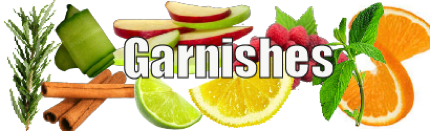
Let's look at the most popular garnishes and ways of getting the most from them.
Citrus Fruit Garnishes -
Enter Text
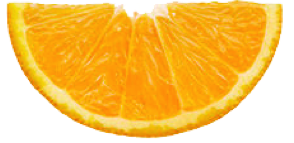
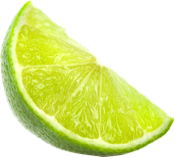
Citrus Slices or Lime Wedge
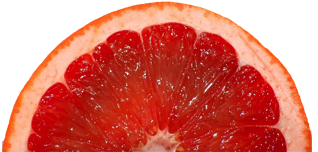
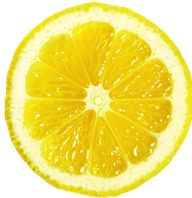
When Using slice or halfslices of citrus fruits make sure you cut then fresh each time, don't store them. If using a lime wedge you may want to squeeze a little in your gin but I definitely recommend you rim the glass before putting it in your gin.
Mint
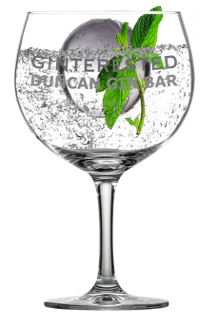
If you are adding mint, take a nice fresh sprig or a couple of leaves and put them in the palm of one hand and "smack" with the other hand. This releases that lovely minty aroma before placing it gently into your glass.
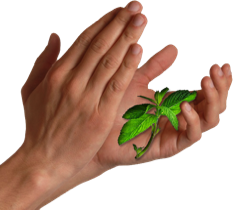
Rosemary
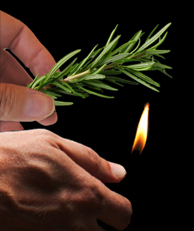
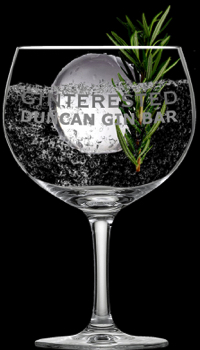
Again give it a smack before putting it in your gin, or be a bit more adventurous by using a lighter to torch the tips of the rosemary sprig first. This creates an aromatic, woodsy scent.
The Twist
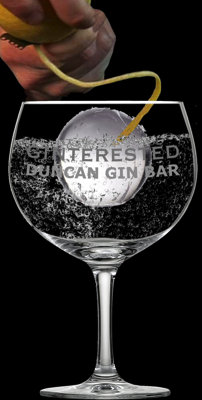
A “twist” is strip of citrus peel, without pith and without the meat of the fruit. It derives its name from the fact that the peel is “twisted” over the surface of the drink to express the oils.
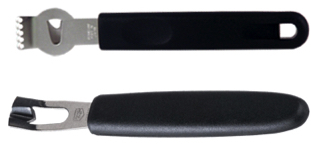
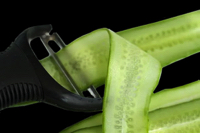
To make a twist use a channel knife, a potato peeler or a sharp knife. Cut a strip from the skin of an unwaxed lemon, orange, lime or grapefruit. Make it as wide or thin as you like and remove as much as the white pith as possible. If you can, do this over the gin glass to catch the oils which are released.
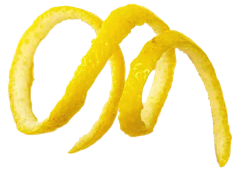

Pinch the peel by its edges and twist it so the oil squirts towards the surface of the drink.
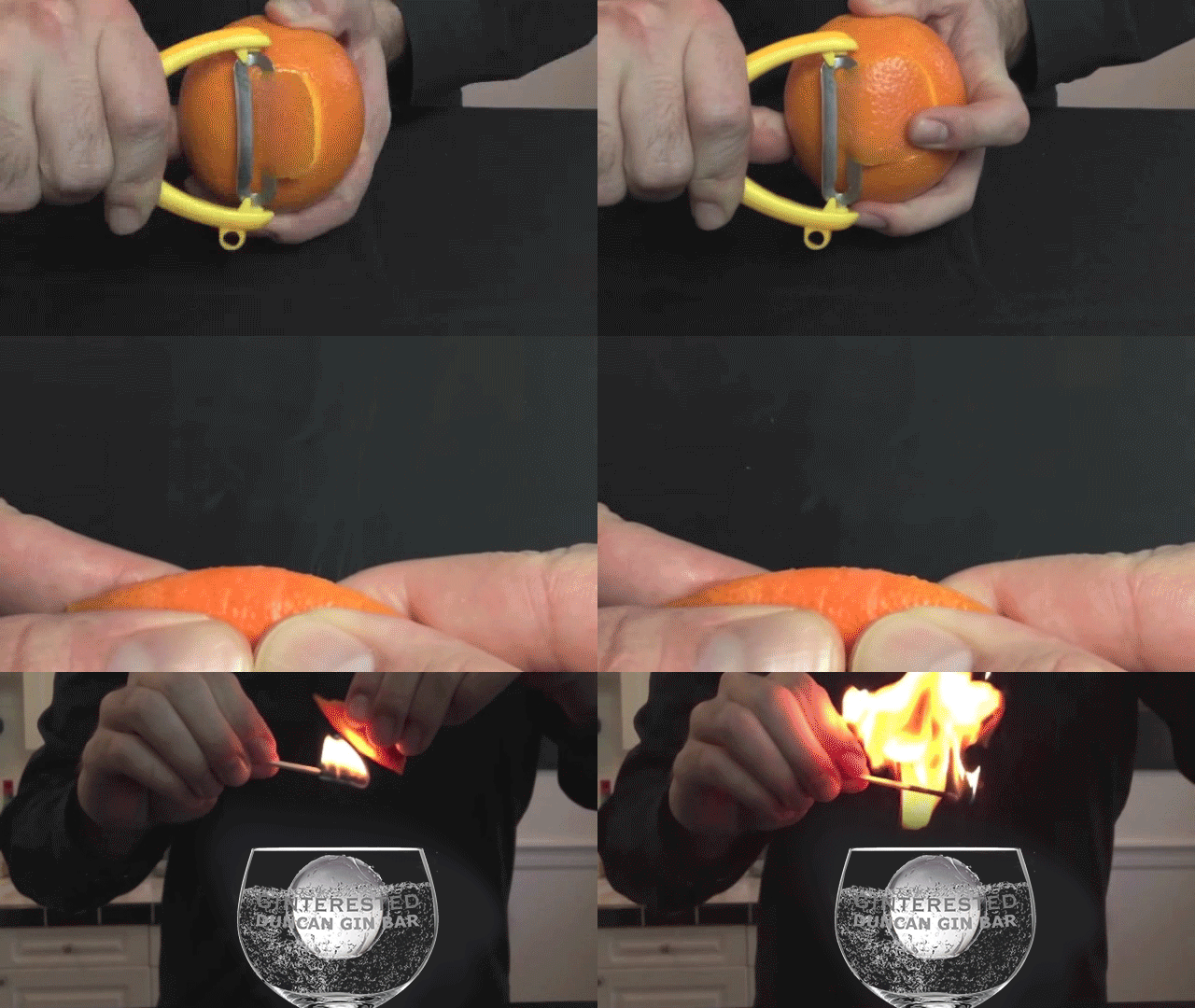
Flamed Orange Zest
You need a very fresh thick bumpy orange, studded with oil-producing glands. To provide an aromatic punch, cut a slice of Orange Peel with a Peeler or Knife. Bend and squeeze the peel over the glass and express the oil into your gin. Or if you really want to impress your guests warm the peel with a flame and then bend the peel it in the middle towards your gin and while squeezing it, light the oil that bursts out.
Wipe the rim of the glass with the peel, and drop it into the drink. Orange oil is made up of almost 90% limonene, which is flammable.
Cucumber
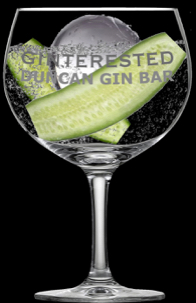
If your gin calls for cucumber, use a potato peeler and cut a "tongue" of cucumber. Place the tongue round the inside of the glass
Apple
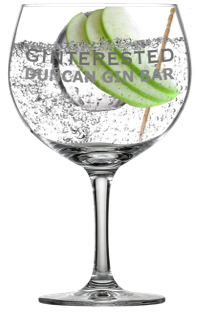
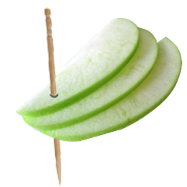
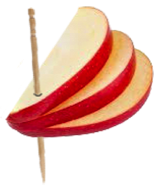
when adding apple slices as a garnish, make three freshly cut slices into a fan using a cocktail stick, and place gently into your gin.
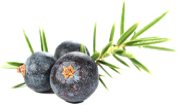
Juniper Berries
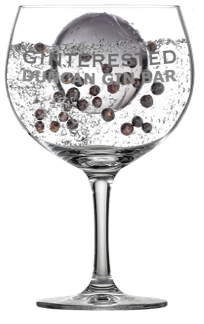
As juniper is the main botanical in every gin, it stands to reason that juniper berries are a suitable garnish for any gin and should therefore enhance the natural Gin flavour